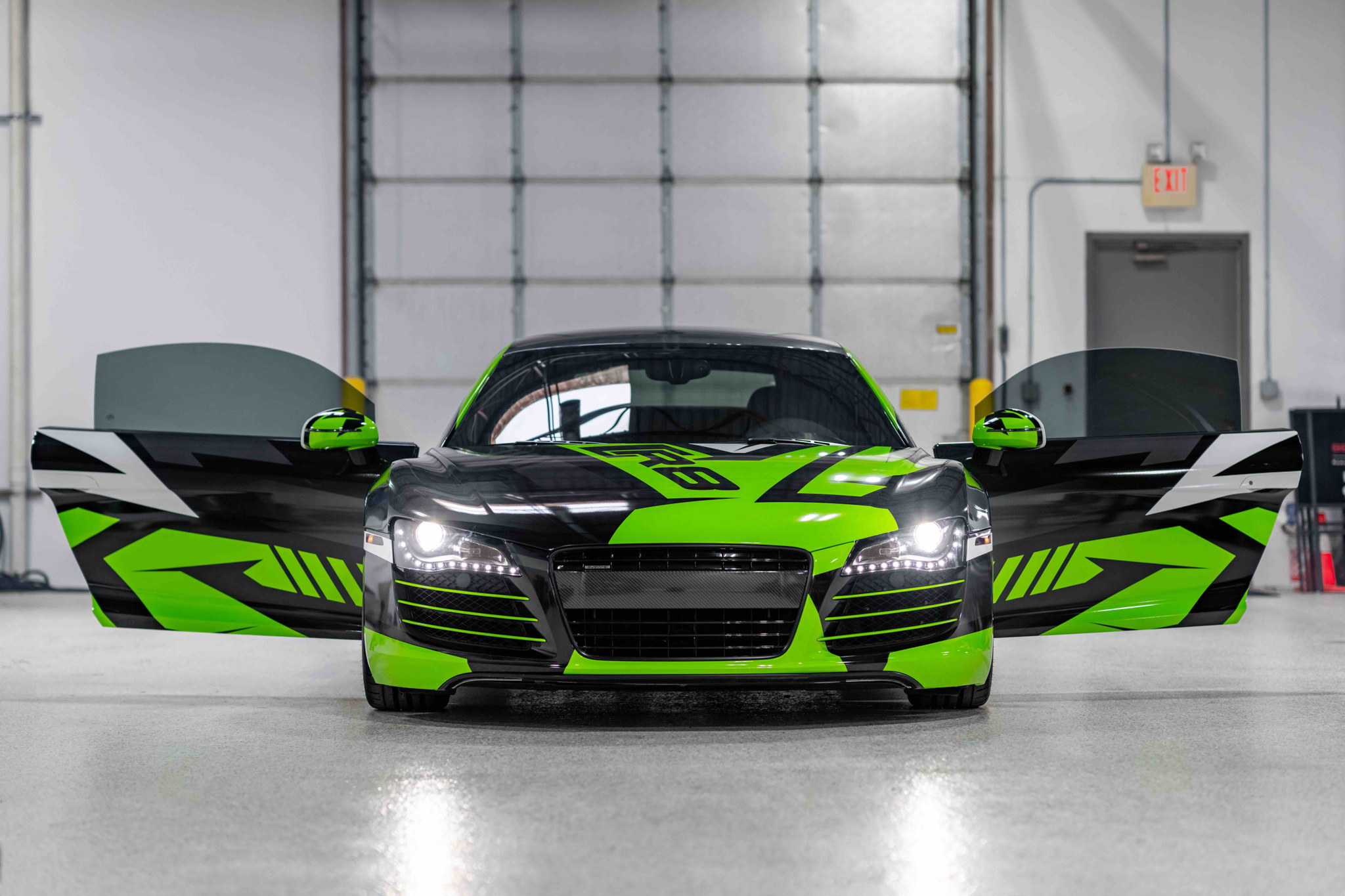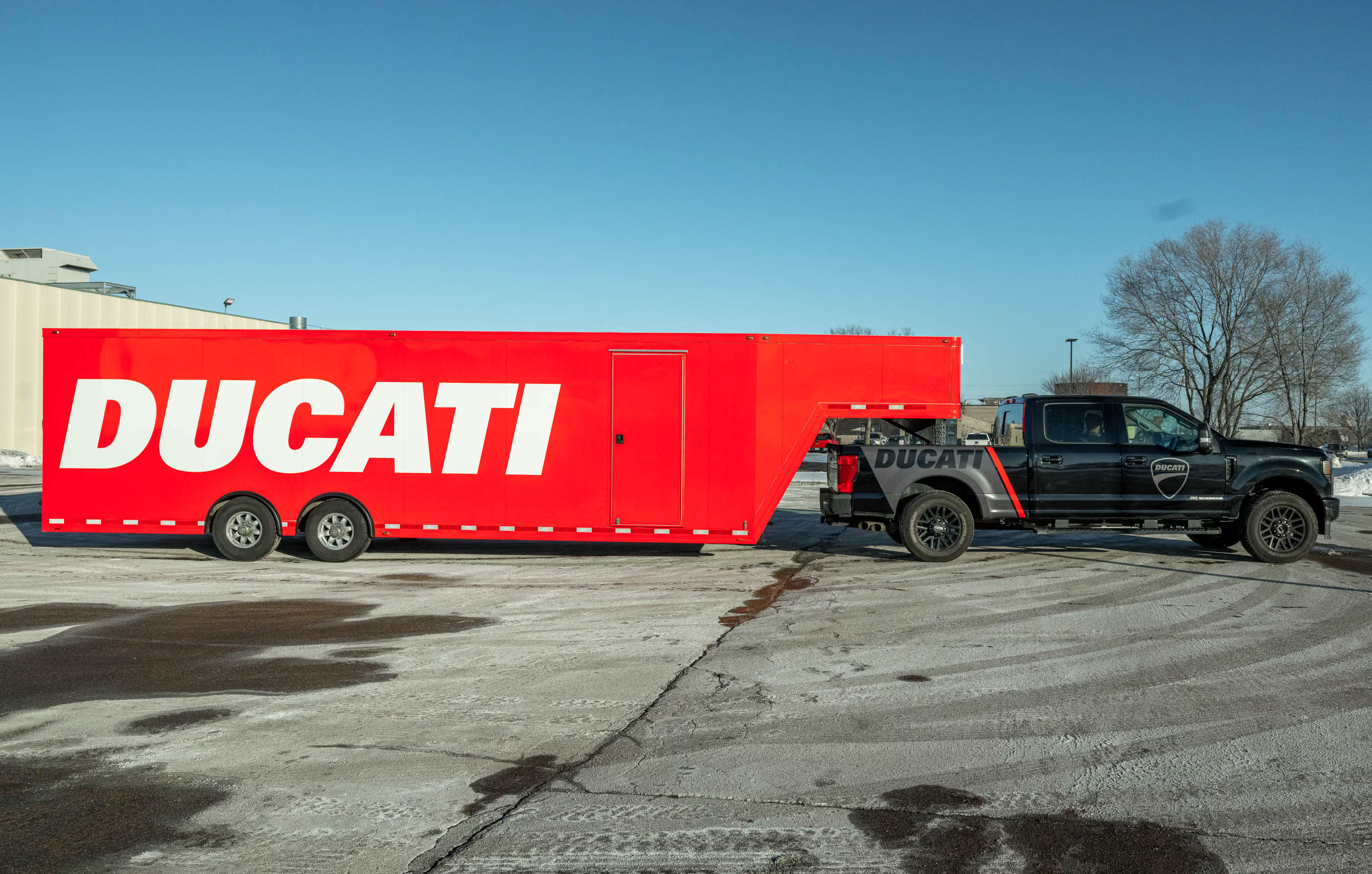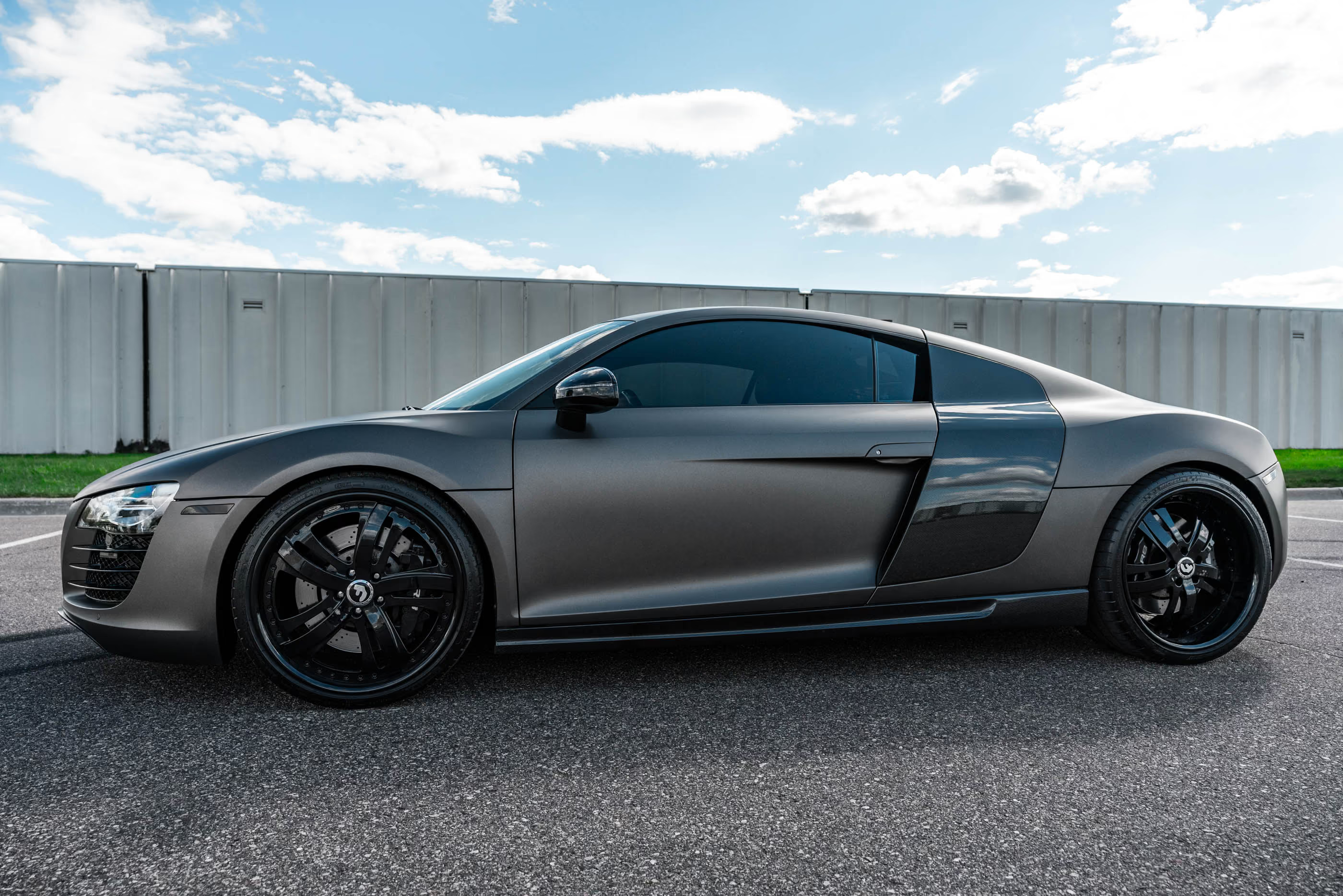
Full coverage or partial? The answer depends on where the vehicle parks, not what it is.
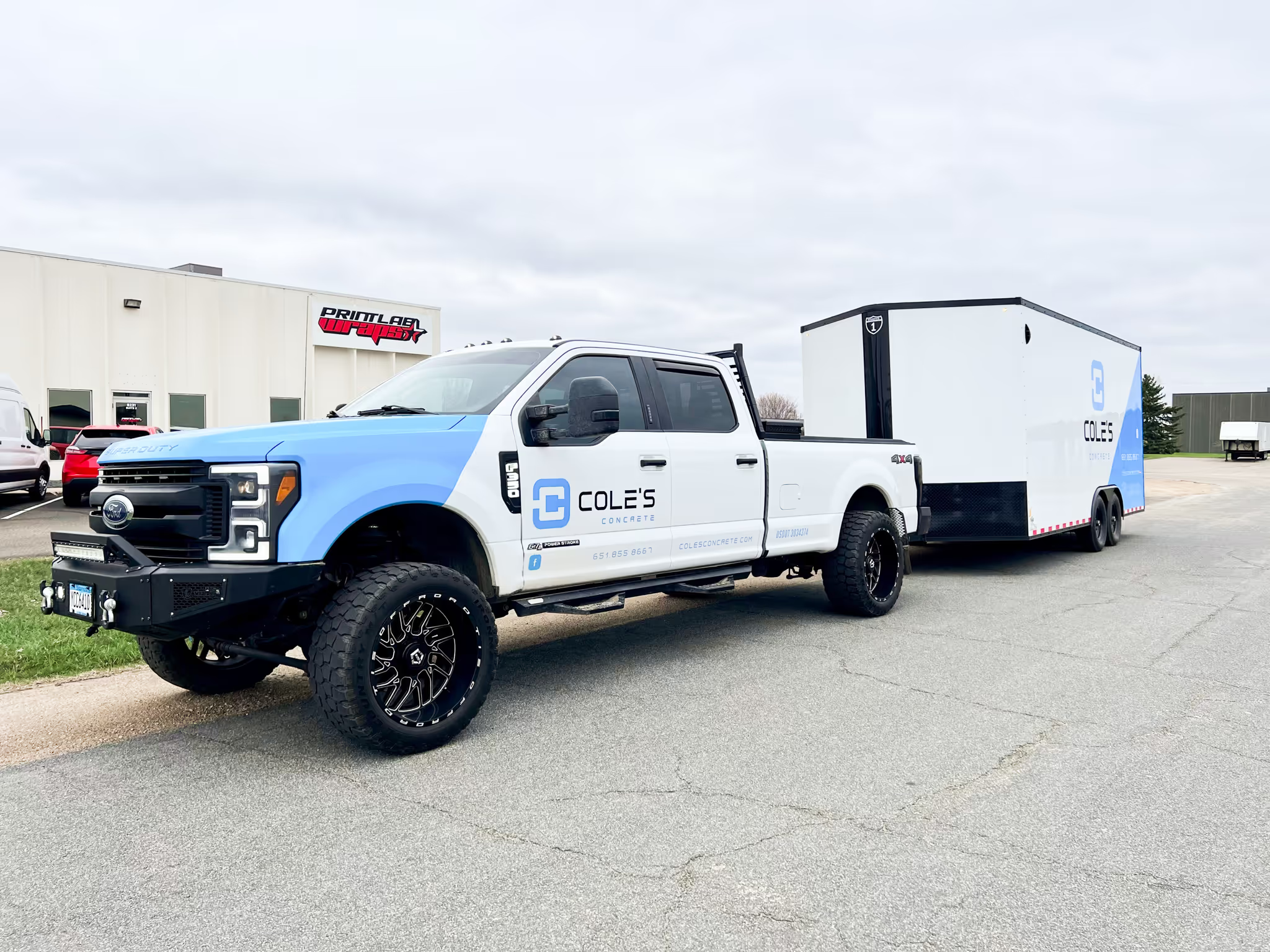
The first question on every fleet job is how much of the vehicle we actually need to cover. There's no universal answer. It depends almost entirely on where the thing sits during the day.
A van parked in a driveway for six hours is a stationary billboard in a neighborhood full of people who might need what you do. Cover it. A vehicle that mostly drives between job sites is seen for four seconds at a time, so it needs high contrast, one message, and a phone number legible from the next lane over. Those are different designs, and they cost different amounts.
Going full coverage means working around every rivet, seam, door handle and hinge on the vehicle. That's why panel layout gets figured out before anything hits the printer. Get the layout wrong and you find out when the logo lands across a door gap.
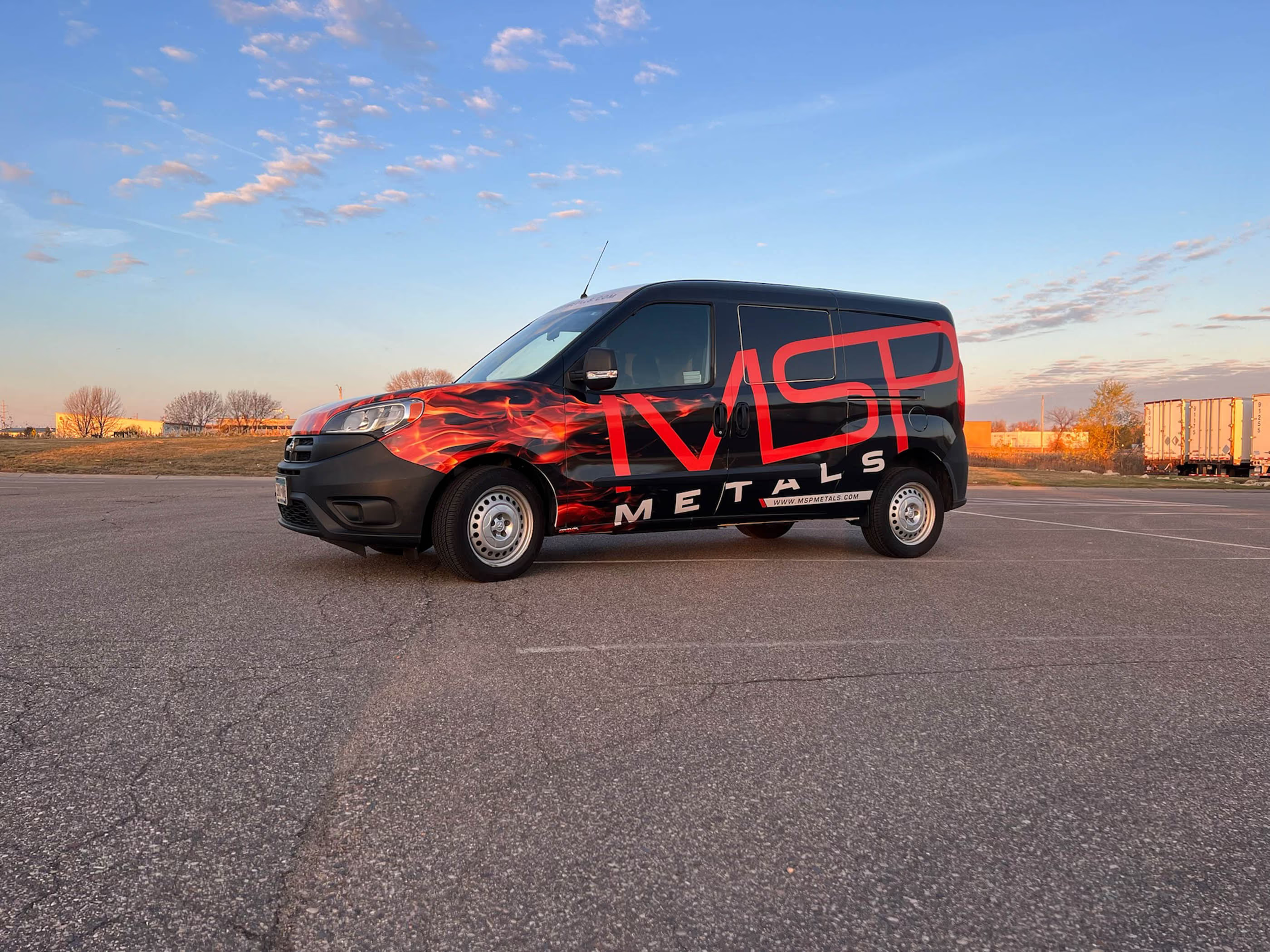
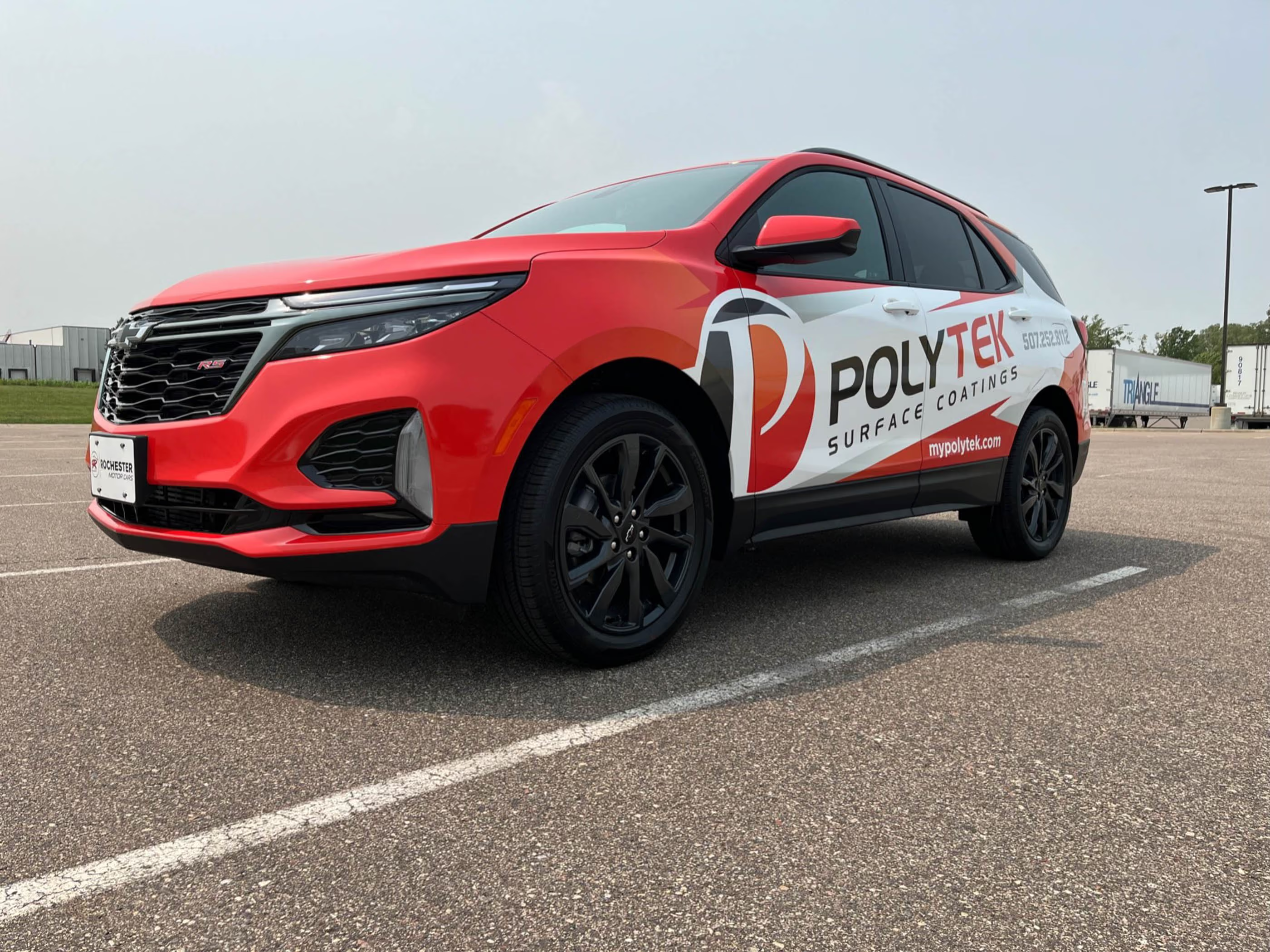
Partial wraps and spot graphics cost less and do most of the same work, particularly when the vehicle already has a strong factory color worth building around. Across eight or ten vehicles that difference is real money.
If you're running a fleet, start on the commercial and fleet wraps page, then tell us what you've got. Year, make, model and a rough count is enough to get a number started.